
Top Nails nail care guide
How to Prepare for a Manicure Appointment
Prepare for a manicure by identifying your current nail product, preferred length and shape, finish, and design priority. Bring clear reference photos, avoid picking at the nail area, and tell the salon about lifting, breaks, or sensitivity before work begins.
Published by Top Nails Editorial Team · August 3, 2026
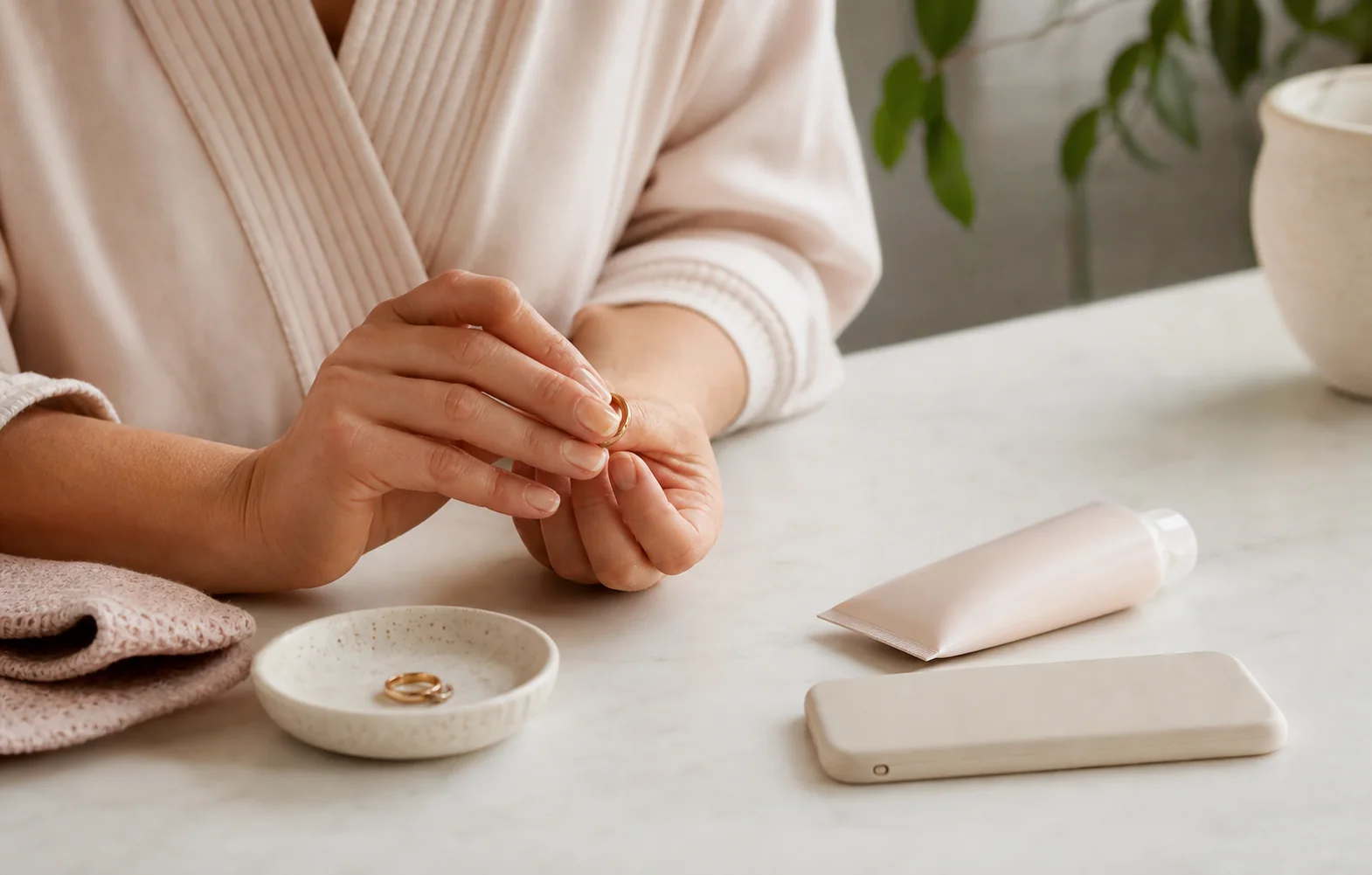
What should you decide before the appointment?
Choose the outcome before choosing every tiny detail. Decide whether you want natural-nail grooming, regular polish, gel, an enhancement, French tips, or art. Then consider the length and shape that fit your work and home routine.
If the decision is still open, save two or three examples that show what you like. A photo of color alone does not communicate shape; a close crop of one nail may not show how the full set should balance.
Why must you disclose existing product?
Gel, dip, acrylic, tips, and regular polish require different removal steps. Saying ‘nothing special’ when enhancement product remains can create an unrealistic appointment plan. Mention lifting, cracks, repairs, and when the product was last serviced if you know.
Do not peel, pry, or aggressively file product at home just to arrive with bare nails. That can thin or roughen the natural surface and change what is sensible at the appointment.
How do you prepare hands and cuticles?
Keep hands clean and avoid cutting deeply around the cuticle area before the visit. Small nicks, irritation, and picked skin make close work less comfortable. Regular moisturizing in the days beforehand is more useful than a last-minute aggressive treatment.
If you have pain, bleeding, swelling, suspected infection, or another medical concern, seek qualified healthcare advice. A manicure is cosmetic care and should not cover a condition that needs diagnosis.
What should you communicate at the salon?
Use concrete words: short enough for typing, square with softened corners, a thin French line, one accent nail, or the exact color family. Ask questions before application progresses too far, and speak up promptly if the shape or length is not what you discussed.
Pricing can change with product removal, added length, repairs, detailed shaping, French work, and art. Call with those details for a current answer.
Manicure preparation checklist
- Identify every product currently on the nails.
- Choose a realistic length and shape for daily hand use.
- Save one to three clear reference images.
- Mark the color, tip, or art element that matters most.
- Mention lifting, breaks, tenderness, or prior at-home filing.
- Confirm removal, repairs, and detailed art when asking about scope.
Expert insight: the starting condition controls the plan
A manicure request is incomplete if it describes only the final color. Existing gel, dip, acrylic, tips, breaks, and lifting determine what must happen before the new finish. Product disclosure helps separate a straightforward natural-nail service from an appointment that also needs removal or repair.
Reference images work best as annotated instructions. Instead of asking for the whole picture without discussion, identify the exact shape, tip width, color family, accent placement, or motif you want preserved. That lets the design be adapted to your actual nail size and condition without losing the idea you care about.
Daily hand use deserves the same attention as the reference photo. Someone who types, handles food, works in a lab, plays an instrument, lifts weights, or wears gloves may need a different practical length from someone planning a short event-only look. Explain the tasks that usually cause snagging or impact. That context helps the consultation move from a visually attractive idea to a length and shape that can function after the appointment.
What should a Top Nails manicure request include?
Top Nails confirms manicures, gel manicures, French manicures, nail art, extensions, repair, and removal. A useful request therefore starts with the current product and separates the base service from design work. Mention removal, broken nails, added length, French lines, or custom art before asking about current timing and price.
Questions about How to Prepare for a Manicure Appointment
Should I remove old polish before a manicure?
Tell the salon what is on your nails first. Regular polish is different from gel, dip, or acrylic, and professional removal may be part of the planned service.
How many inspiration photos should I bring?
One to three clear images are usually more useful than a large, conflicting collection. Identify the shape, color, or detail you care about most.
Should I trim my cuticles before a manicure?
Avoid aggressive cutting or creating fresh nicks. Keep the area clean, moisturize gently, and let the manicure consultation address the cosmetic grooming plan.
Arrive with a short, specific manicure brief
The best preparation is simple: know what is on your nails, decide how the finished length must function, and bring a small set of useful visual references. Avoid aggressive cutting, picking, peeling, or filing immediately before the visit.
Call Top Nails when removal, repairs, French work, extensions, or detailed art are part of the request. A precise description makes current pricing and availability questions more useful than a general request for a manicure.
Keep the brief on your phone or write it down before calling. A short list covering current product, removal, length, shape, finish, and one design priority is easier to discuss than several disconnected screenshots. If any choice remains open, say which tradeoff matters most—durability, easy color changes, practical length, or a specific event look—so the consultation starts with the decision you actually need to make.